
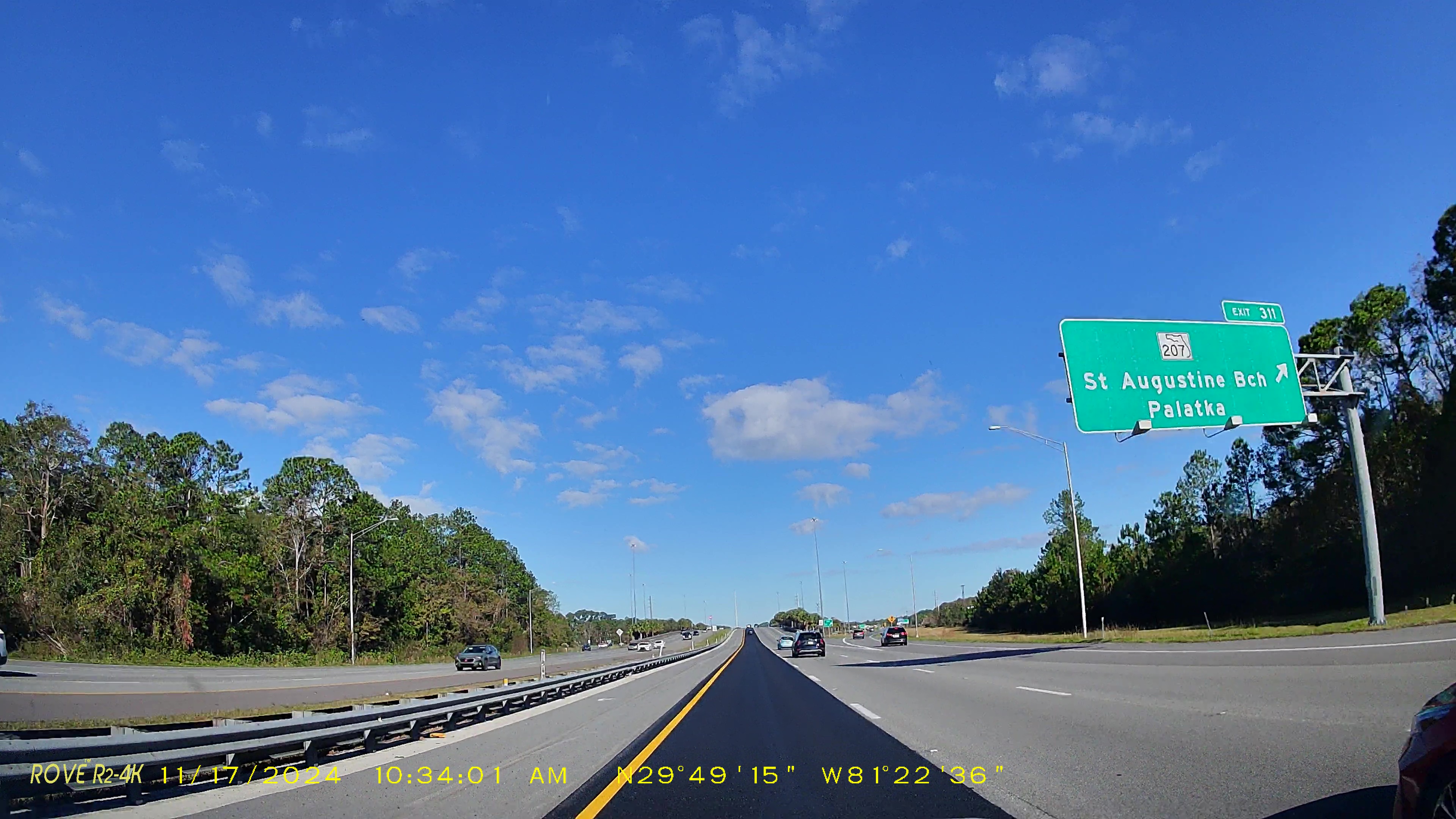
St. Johns County, Florida
St. Johns County sits at the northeastern corner of Florida, bordered by the Atlantic Ocean to the east and the St. Johns River to the west, with the city of St. Augustine — the oldest continuously occupied European settlement in the continental United States, established in 1565 — anchoring its southern geography. The county operates under a board of county commissioners structure, delivers services to one of Florida's fastest-growing populations, and manages the unusual tension of being simultaneously a heritage preservation site and a high-growth suburban corridor. This page covers the county's governmental structure, economic profile, demographic character, and the jurisdictional boundaries that define where St. Johns County authority begins and ends.
Definition and Scope
St. Johns County is one of Florida's 67 counties, established in 1821 as part of the original territorial organization when Spain ceded Florida to the United States. It encompasses approximately 609 square miles of land area (U.S. Census Bureau, County Profile), spanning Atlantic barrier islands, the Intracoastal Waterway, the historic downtown of St. Augustine, and the rapidly expanding suburban communities of Ponte Vedra, Nocatee, and World Golf Village.
The county seat is St. Augustine, which also holds the distinction of being the oldest city in the nation — a fact that shapes local governance priorities in ways that most Florida counties don't encounter. Historic preservation ordinances, heritage tourism infrastructure, and archaeological review requirements layer on top of standard county land use processes.
Scope and limitations: The authority of St. Johns County government extends to unincorporated areas and, through intergovernmental agreements, intersects with the municipalities of St. Augustine and St. Augustine Beach. State law governing counties — codified primarily in Florida Statutes Title VIII (Florida Legislature, Title VIII) — defines the outer limits of county authority. Federal law, including environmental regulations administered by the U.S. Army Corps of Engineers and the Environmental Protection Agency, governs coastal and wetland activities that fall outside county jurisdiction. Actions by the Florida Department of Environmental Protection — particularly regarding coastal construction setback lines along the county's Atlantic shoreline — operate independently of county permitting.
This page does not address municipal codes for the City of St. Augustine, state-level judicial proceedings, or federal lands within the county boundary.
How It Works
St. Johns County operates under a five-member Board of County Commissioners elected by district, alongside seven constitutionally mandated offices — Sheriff, Tax Collector, Property Appraiser, Supervisor of Elections, Clerk of the Circuit Court, Superintendent of Schools, and the State Attorney for the 7th Judicial Circuit, which covers St. Johns alongside Flagler, Putnam, and Volusia counties.
The county's budget reflects its growth trajectory. St. Johns County's population reached approximately 290,000 residents as of the 2020 Census (U.S. Census Bureau), making it one of the fastest-growing counties in Florida by percentage — a state that itself added roughly 2.7 million residents between 2010 and 2020. Growth of that velocity puts particular pressure on school capacity, transportation infrastructure, and water management systems.
The St. Johns County School District consistently ranks among Florida's highest-performing by Florida Department of Education metrics (FDOE District Report Cards), which is itself a driver of population growth — a feedback loop the county's planning department navigates with every new subdivision approval.
For a broader picture of how Florida's state-level agencies intersect with county-level governance, Florida Government Authority provides detailed coverage of Florida's executive structure, regulatory agencies, and how state policy translates into local administration — useful context when tracing which level of government controls a given function in St. Johns County.
Common Scenarios
The most common points of contact between residents and St. Johns County government fall into predictable categories:
- Land use and development permits — The county's Growth Management Department processes applications for new construction, subdivision plats, and zoning variances. The Nocatee development, one of the largest master-planned communities in the country, was built largely within unincorporated St. Johns County and represents the scale of development the department routinely manages.
- Property tax administration — The Property Appraiser establishes assessed values; the Tax Collector bills and collects. St. Johns County's median home value has increased substantially since 2015, driven by proximity to Jacksonville employment centers and the school district's reputation.
- Historic preservation review — Properties within the St. Augustine Historic District face an additional layer of review through the State Historic Preservation Office and local historic architectural review boards, separate from standard building permits.
- Environmental permitting — Coastal construction, wetland impacts, and stormwater management fall under overlapping county and Florida Department of Environmental Protection jurisdiction.
- Emergency management — St. Johns County Emergency Management coordinates with the Florida Division of Emergency Management for hurricane preparedness, evacuation planning, and post-disaster recovery, particularly given the county's low-lying coastal zones and barrier island communities.
Adjacent counties — Flagler County to the south and Clay County to the west — share watershed concerns and transportation corridors with St. Johns, making inter-county coordination a routine feature of local planning.
Decision Boundaries
St. Johns County governance decisions are binding in unincorporated areas. Within municipal limits — St. Augustine and St. Augustine Beach — municipal codes govern land use, though county services like Sheriff's Office law enforcement may still apply under contract arrangements.
Three distinctions shape most jurisdictional questions:
- County vs. state authority: The Florida Department of Transportation controls state roads including U.S. 1 and A1A; the county maintains its own road network independently.
- County vs. federal authority: Tolomato River wetlands and portions of the Guana Tolomato Matanzas National Estuarine Research Reserve fall under federal and state management, not county control.
- Incorporated vs. unincorporated: A resident in Ponte Vedra Beach — an unincorporated community — deals with county government almost exclusively. A resident of St. Augustine Beach deals with a separate municipal government for most local services.
The Florida state government overview provides context on how the state's constitutional framework distributes authority between Tallahassee and Florida's 67 counties, which is the foundational layer beneath every decision St. Johns County makes.
Communities in This County
- Butler Beach Florida
- Crescent Beach Florida
- Flagler Estates Florida
- Fruit Cove Florida
- Hastings Florida
- Nocatee Florida
- Palm Valley Florida
- Sawgrass Florida
- St.. Augustine Beach Florida
- St.. Augustine Florida
- St.. Augustine Shores Florida
- St.. Augustine South Florida
- Vilano Beach Florida
- World Golf Village Florida